

Ever wonder if your divorce can still move forward when your spouse refuses to sign the papers? The answer may surprise you—and empower you. Facing a situation where your spouse won’t cooperate with signing divorce documents can feel overwhelming. Many people worry that their progress is stalled forever or that their legal rights are trapped in limbo. This guide reveals how the law supports your path forward, even when your partner refuses to participate.
Confronting the Unexpected: What If My Spouse Refuses to Sign Divorce Papers?
The reality is that when your spouse refuses to sign divorce papers, it shifts your journey but does not block your right to pursue a divorce. Courts recognize that not all divorces are amicable or uncontested, and have processes in place for moving forward without a cooperative spouse. Whether you’re worried about property division, child custody, or your emotional well-being, understanding these options is crucial.
Practical options exist for when your spouse refuses to cooperate, with legal pathways like default divorce, contested divorce, and even obtaining a final order regardless of your partner’s signature. The divorce process may become more complicated, but you are not powerless. With proper knowledge and—if necessary—the support of an experienced divorce lawyer, you can continue to pursue your personal and legal interests.
Opening Inquiry: Are Divorce Papers Useless Without a Spouse’s Signature?
A common misconception is that if your spouse refuses to sign divorce papers, the entire process comes to a halt. In reality, divorce papers serve as formal notifications and proposals—not binding contracts dependent on both signatures. Once you file for divorce, the courts can proceed if you follow the required legal steps, even if your spouse never signs the divorce forms. While not signing may complicate property division, spousal support, and child custody negotiations, it doesn’t create an insurmountable roadblock. Your ability to move forward is protected by state laws and court procedures.
“The refusal to sign divorce papers does not mean divorce is impossible. Legal processes exist to protect your rights.”
What You’ll Learn From This Guide
- How the divorce process is affected if a spouse refuses to sign divorce papers
- Steps to take if your spouse refuses to sign
- Differences between contested divorce and uncontested divorce
- How a divorce attorney can help if your spouse refuses
- Your legal rights in such cases
| Uncontested Divorce | Contested Divorce |
|---|---|
| – Both parties agree on terms – Easier, faster process – Typically requires both signatures – Lower emotional and financial cost |
– Spouse refuses to cooperate or sign – Issues such as property division, spousal support, or child custody are disputed – Requires court intervention – Takes more time and legal effort – May result in a default divorce if the uncooperative spouse refuses to participate |
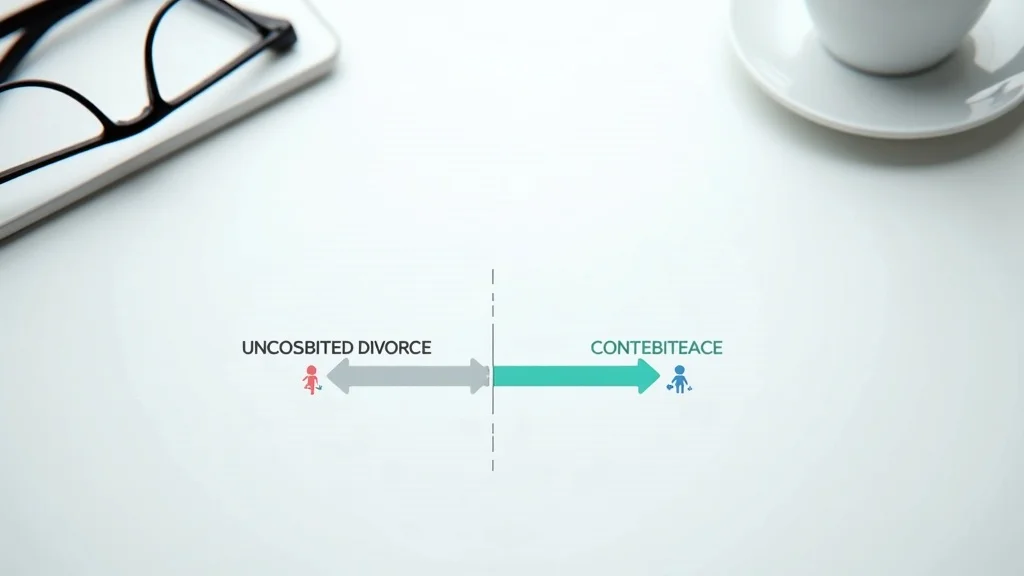
Understanding the Divorce Process When a Spouse Refuses to Sign Divorce Papers
What It Means if Your Spouse Refuses to Sign the Divorce Papers
When your spouse refuses to sign divorce papers, they aren’t stopping the divorce; instead, they’re signaling a move from an uncontested to a contested process. This refusal often means negotiations over terms like child custody, property division, or spousal support have broken down. However, the absence of their signature doesn’t halt the legal process. Once you file a divorce petition and your spouse is properly served, the timeline for them to file a response begins. If they ignore the papers, you may be eligible for a default divorce. If they respond but contest the terms, it becomes a contested divorce, meaning a judge will ultimately decide the outcome.
It’s important to recognize that while a cooperative spouse can speed up and simplify the process, a refusal to cooperate does not grant them indefinite control over your legal rights or your ability to end the marriage. Involving an experienced divorce attorney early can help ensure you take the necessary steps to protect your interests and avoid costly mistakes during this crucial phase.
Why Refuses to Sign Occurs: Emotional or Legal Motives
Understanding why a spouse refuses to sign divorce papers can help determine your next steps. Often, emotional distress, denial, anger, or a hope for reconciliation can underlie refusal. In some cases, a spouse may delay or refuse to sign as a strategy to gain leverage over issues like property division, child custody, or spousal support. Legal reasons might involve disagreements over assets, debts, or the desire for more favorable terms.
Sometimes, refusal stems from a simple lack of understanding of the divorce process or fear of change. No matter the underlying motive, it’s crucial to remain focused on the legal facts: their refusal cannot prevent a judge from issuing a final order once statutory requirements are met. Securing representation from skilled divorce attorneys can bring clarity to your situation, helping separate emotional barriers from concrete legal pathways.
Legal Pathways: Steps to Take if Your Spouse Refuses to Sign Divorce Papers
Filing for Divorce Without Spousal Consent
It’s a relief to know you can file for divorce even if your spouse refuses to cooperate. Start by filing a divorce petition in the appropriate court. Once filed, your spouse must be officially served with the divorce papers—documenting that they received notice. If your spouse refuses to respond, fails to participate, or actively avoids service, the court may allow alternative forms of notification. The process will move forward with or without their signature. It’s critical to meet all filing requirements and deadlines, and a qualified divorce lawyer can guide you through the complexities to ensure your paperwork is handled correctly from the start.

Default Divorce: When Spouse Refuses to Participate or Respond
When a spouse refuses to sign divorce papers—or doesn’t file a response—a default divorce may be granted. Here, the court acknowledges the spouse’s refusal to participate as their “default,” and after waiting the legally required period, the judge can rule in your favor on issues such as property division or child custody, based on what you initially requested. This pathway is invaluable when a spouse refuses to cooperate entirely. However, it’s essential to ensure every procedural requirement is strictly followed—otherwise, the court may dismiss the case or allow your spouse to contest later. Professional guidance from a law firm or divorce attorney is especially recommended to avoid delays or pitfalls.
In a default divorce, fair notice to your spouse is a legal necessity, and you must document service attempts. If your spouse actively conceals their location, courts may permit publishing a notice. Moving forward independently can be empowering, but every step must meet legal standards to protect your rights and ensure a valid final order.
Contested Divorce: Resolving Issues When a Spouse Refuses to Sign
If your spouse does participate but refuses to agree on divorce terms (such as property division, child custody, or support), your divorce becomes “contested. ” This is resolved through negotiation, mediation, or—if no settlement is reached—litigation before a judge. In contested divorce cases, each party presents their arguments and evidence, and the court decides the outcome. Even though the process is more complex and time-consuming than an uncontested divorce, your spouse’s refusal cannot indefinitely delay the end of the marriage.
Working with experienced divorce lawyers becomes especially important in contested divorce scenarios. They help you organize supporting evidence, navigate court requirements, and effectively advocate for your interests—whether regarding parenting time, financial support, or asset distribution. The ultimate authority remains with the court, which will issue a final order that legally resolves all disputed issues, regardless of whether your spouse ever signs a document.
Obtaining a Final Order in Divorce When a Spouse Refuses
Securing a final order is the objective in every divorce case. When your spouse refuses to sign divorce papers, the court will set hearings or proceedings to resolve outstanding matters. If your spouse fails to appear, a default order can be granted. If they contest, the process continues as a contested divorce, culminating with the judge’s determination on all issues.
The court’s final order is legally binding and ends the marriage. It addresses property division, spousal support, and child custody according to applicable law and your submitted plan. Even the most uncooperative spouse cannot block this process if all legal protocols are met. At this stage, having a seasoned divorce attorney ensures your rights are protected and your new chapter can begin with clarity and security.

Role of a Divorce Lawyer: Why Legal Help is Essential When Your Spouse Refuses to Sign Divorce Papers
“An experienced divorce attorney is invaluable in cases where the spouse refuses to sign—ensuring your case advances effectively through the courts.”
When facing the complications of a spouse who refuses to sign divorce papers, an experienced divorce lawyer becomes your advocate and guide. Attorneys understand the nuances of the divorce process, including procedural requirements for default and contested divorces. They can spot legal missteps, ensure proper service of documents, and represent your interests at every stage. Their expertise is crucial in avoiding costly delays and increasing the likelihood of a favorable final order from the court.
Legal counsel brings objectivity, helping you separate emotional frustrations from actionable solutions. By outlining practical steps to protect your interests in property division, spousal support, and child custody cases, divorce attorneys ensure your case doesn’t stall—no matter how uncooperative your spouse may be. Leveraging the guidance of a highly trained law firm means navigating these challenges with greater confidence and efficiency.

Common Myths & Mistakes: Navigating a Divorce When Your Spouse Refuses to Sign
- Myth: You cannot get divorced without your spouse’s signature.
Reality: Your spouse’s refusal to sign divorce papers does not prevent the court from granting a divorce if you follow required procedures. - Myth: Waiting for your spouse to agree is best.
Risk: Delaying your case gives your spouse leverage and may extend emotional or financial hardship. Take legal action sooner rather than later. - Mistake: Failing to properly serve or document notice to your spouse.
Consequence: Courts may dismiss your case or require you to start over if you don’t meet notification standards. - Mistake: Handling a contested or default divorce alone.
Advice: Get advice from an experienced divorce attorney to avoid procedural mistakes and to represent your interests in disputes over marital property, child custody, and spousal support.
Frequently Asked Questions About Divorce Papers and Spousal Refusal
What if I want a divorce but my husband won’t sign?
If you want a divorce but your spouse refuses to sign, you can still move forward by filing a divorce petition. The court process can proceed even without your spouse’s cooperation. After serving them with divorce papers, the court may grant a default divorce if they do not respond within the prescribed timeframe. Legal help ensures the correct process is followed, and your rights are protected throughout.
What is untouchable in a divorce?
Certain assets and rights are often considered “untouchable” or protected during a divorce. These may include property owned before the marriage, inheritances, or gifts received individually. However, laws vary by state and situation. Consulting with a divorce lawyer ensures that you correctly identify marital versus separate property and safeguard your legal entitlements.
What is the biggest mistake during a divorce?
The most significant mistake is trying to handle complex or contested divorce issues alone—especially when your spouse refuses to cooperate. Failing to meet paperwork requirements, not responding to court deadlines, or neglecting to get legal advice can result in unfavorable court orders or case dismissals. Always consult a knowledgeable divorce attorney to avoid these pitfalls and strengthen your position.
Can you divorce your spouse if they have Alzheimer’s?
Yes, you can. Even if your spouse suffers from Alzheimer’s or other severe health conditions, the court provides mechanisms to proceed with divorce. In such cases, a guardian or legal representative may be appointed to act in your spouse’s best interests during the proceedings. Legal counsel is crucial to ensure all procedural and ethical standards are fulfilled, particularly in sensitive health situations.
Key Takeaways When a Spouse Refuses to Sign Divorce Papers
- Divorce is still possible if your spouse refuses to participate or sign divorce papers.
- Legal avenues include default divorce and contested divorce—each allowing the court to move forward without your partner’s cooperation.
- Consulting a divorce attorney optimizes your outcome, ensuring paperwork, service, and negotiation follow legal standards and protect your rights.

Get Experienced Divorce Help Now
Don’t let a spouse’s refusal stall your future. Call Us At: (213) 368-0000 Or Email Us: hermes@peterhermes.com to partner with experienced divorce attorneys who know how to keep your case moving—no matter the obstacles.
This article was created to provide clear, actionable information on navigating a divorce when a spouse refuses to sign divorce papers. For legal advice tailored to your situation, contact an experienced law firm or divorce lawyer near you.