

Contemplating Divorce After a Long Marriage (20+ Years): Why Now?
For many, the idea of ending a marriage after two decades or more seems unthinkable—something that “happens to other people. ” Yet, modern relationships evolve, and what once worked across the early years of marriage may eventually fail to meet both partners’ changing needs. Divorce after a long marriage (20+ years) often follows periods of reflection, when individuals realize their lives or mutual goals have diverged. Whether prompted by retirement, an empty nest, or a significant life transition, this decision is rarely impulsive.
Seeking counsel from a trusted divorce lawyer or family law expert early in the process can make all the difference. The emotional landscape is complex—grief, relief, fear, and hope frequently intertwine. Couples often confront not just the legal and financial issues, but also the challenge of redefining themselves outside their partnership. Understanding these emotions and practical steps up front provides the foundation for a smoother divorce process and sets the stage for eventual healing and growth.
What You’ll Learn About Divorce After a Long Marriage (20+ Years)
- The emotional and legal challenges of divorce after decades together
- Key financial issues and impacts on long-term stability
- Family law insights related to years of marriage
- The role of adult children and family dynamics
- Steps to move forward after gray divorce
Understanding Gray Divorce: Trends and Personal Reflections
The Rise of Gray Divorce and Its Unique Challenges in Long Marriages
The term gray divorce has entered our common lexicon for a reason: across the United States and around the world, more couples over 50 are choosing to end their marriages. This trend is a compelling reflection of changing societal values, increased longevity, and the desire for personal fulfillment late in life. Ending a long marriage—once considered rare—has become an increasingly common life stage transition.
But gray divorce comes with distinct challenges. Unlike younger couples, older adults often face intricate legal and financial issues including division of substantial retirement accounts, home equity, and future financial planning for decades ahead. There are also emotional challenges, such as confronting loneliness, navigating new routines, or adjusting self-identity, especially when partnerships have spanned nearly a lifetime. The stigma that once surrounded divorce after a long marriage is fading, but the obstacles can still feel daunting and deeply personal.
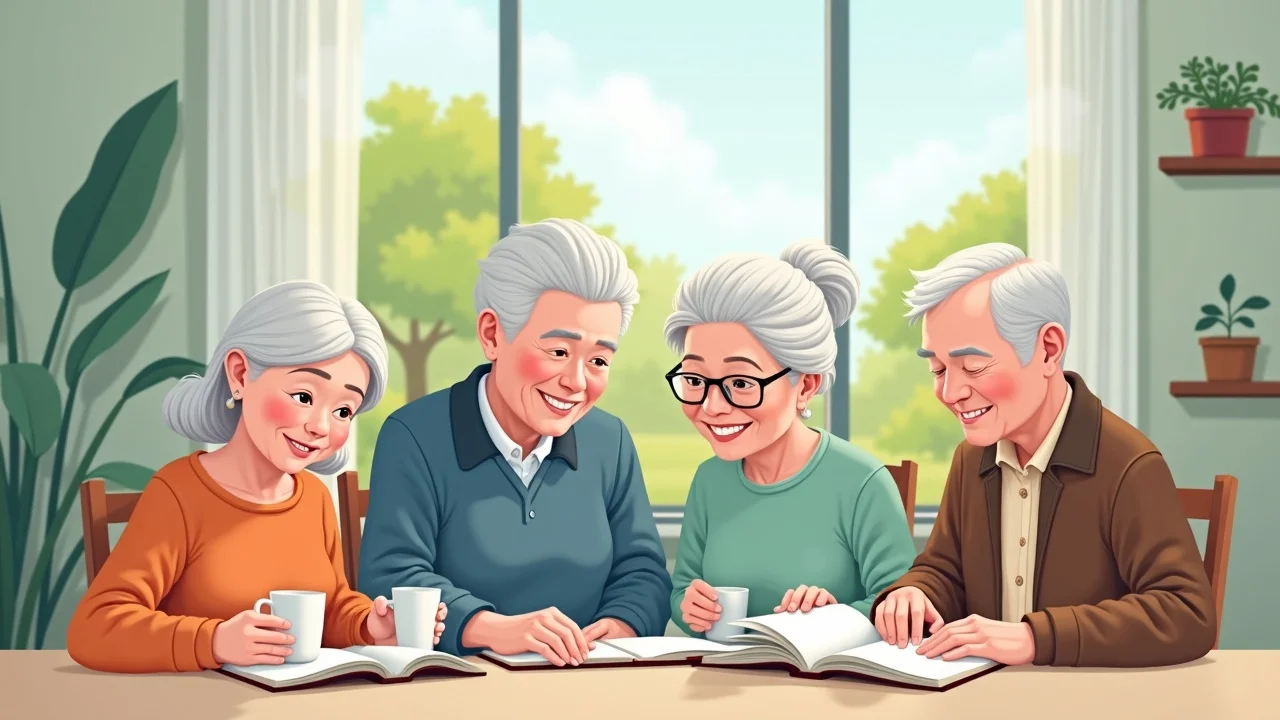
How Societal Perspectives on Family Law Influence Life Transitions
Societal attitudes toward marriage and family law have evolved significantly in recent years, shaping how individuals approach separation after a long partnership. In earlier decades, ending a marriage of 20, 30, or more years was often stigmatized and sometimes led to legal and financial hardship, regardless of mutual consent. Today, however, the legal system increasingly recognizes the complexities unique to gray divorce—from assessing spousal support to dividing mature financial portfolios.
As people move through different life stages, priorities shift. Laws now aim to provide a fair framework for both partners, factoring in the sacrifices and contributions made over the years of marriage. The evolution of family law offers new choices and support for those who realize, even late in life, that their partnership no longer works. In navigating the divorce process, individuals are empowered to focus on their well-being and personal growth, rather than solely on the expectations set by society or tradition.
“Divorcing after a long marriage is less about endings and more about redefining yourself.”
The Divorce Process After Years of Marriage: What Makes It Different?
Navigating Legal Complexities in Divorce After a Long Marriage (20+ Years)
The divorce process grows substantially more complicated when a marriage has lasted twenty years or more. Unique legal considerations may arise, such as the calculation and potential duration of spousal support, valuation of complex assets, and the need for specialized legal guidance under family law. Divorce lawyers often need to untangle decades of shared finances, real estate holdings, investment accounts, and even business interests acquired during the marriage.
Unlike shorter marriages, long unions frequently involve overlapping retirement planning, insurance policies, and tax considerations that require strategic negotiation. There may also be enduring questions about health care coverage or obligations related to adult children or grandchildren. Consulting with a family law expert accustomed to handling “gray divorce” is essential. A cautious, informed approach helps both parties preserve dignity, protect their financial futures, and avoid unnecessary conflict.

Family Law Considerations in Long Marriage Dissolutions
There are distinct legal frameworks that govern the dissolution of long-term marriages. Courts and mediators must consider the length of the marriage when dividing assets and awarding spousal support. The longer the marriage, the greater the likelihood that financial support will be awarded—and for longer durations. Issues like child support may still arise, particularly if the couple had children later in life or if there are dependents with special needs.
In addition to the division of property, the divorce process in cases of long marriages often accounts for career sacrifices made—such as one partner leaving work to raise children or care for relatives. Contemporary family law aims to ensure that both parties enjoy a fair share of assets and a reasonable chance at financial stability post-divorce. This focus helps protect the contributions of each spouse over the years of marriage and recognizes the often-unseen work invested in a long-term partnership.
| Comparing Divorce After Short vs. Long Marriages: Key Legal and Financial Differences | ||
| Short Marriage (10 years) | Long Marriage (20+ years) | |
|---|---|---|
| Asset Division | Fewer shared assets to divide, typically less complex holdings. | Multiple joint assets, complex property and investments, retirement accounts. |
| Spousal Support | Shorter duration, may not be awarded. | More likely, often long-term or even lifetime support. |
| Child Support | Relevant if minor children; less common as children age. | May apply if children are born late/are dependents; usually less central. |
| Emotional Complexity | Less intertwined history and fewer shared routines. | Deep, shared history—harder to untangle routines and identity. |
| Future Planning | Focus on rebuilding and career; retirement further away. | Retirement planning, social security, long-term financial implications. |
Financial Issues in Divorce After a Long Marriage (20+ Years)
Dividing Assets: Retirement Accounts, Social Security, and Home Equity
One of the most critical factors in divorce after a long marriage (20+ years) is the division of long-accumulated assets. After decades of sharing financial lives, the distribution of property can be daunting. Retirement accounts (such as 401(k)s, pensions, and IRAs) are typically considered marital property and are subject to division, often requiring Qualified Domestic Relations Orders (QDROs) for proper handling. Social Security benefits may also come into play, with unique eligibility rules for spouses married ten years or longer.
Home equity is another major consideration. Couples often own their home outright after many years of marriage, and decisions must be made whether to sell the property, buy out one partner’s share, or continue co-owning for a transitional period. Such choices have powerful implications for both immediate cash flow and long-term financial stability. Navigating these financial issues is best done with support from experienced legal and financial advisors familiar with the nuances of gray divorce.
Spousal Support and Alimony: Unique Factors for Long Marriages
Spousal support, also known as alimony, is far more common—and potentially indefinite—when ending a long marriage. Courts consider the standard of living established over the years of marriage, the age and health of both spouses, earning capacity, and even non-monetary contributions such as time spent raising children or managing the home. Financial compensation may be awarded to ensure both partners retain a comfortable standard of living, particularly if one spouse has fewer financial resources or career prospects.
Unlike the dissolution of a short-term marriage, spousal support after 20+ years may last for life or until the recipient remarries. Because these arrangements can have lasting financial implications, it’s essential for both parties to understand their rights and obligations early in the divorce process. Consulting with a divorce lawyer mitigates potential disputes and sets realistic expectations for future support and financial planning.

Understanding Financial Issues and Planning for Life After Divorce
Planning for life after divorce is as much about emotional recovery as it is about financial rebuild. After 20 or more years of marriage, the financial landscape can look unfamiliar—particularly for the partner who hasn’t managed the household budget or investments. Financial issues such as health insurance, taxes, and estate planning become urgent priorities. Those over 50 should pay special attention to health coverage, because divorce can result in the loss of spousal benefits, making independent policies a necessity.
Future financial security is closely tied to how assets and debts are divided. Determining each spouse’s needs and goals—now and in retirement—requires practical, methodical planning. Whether downsizing, re-entering the workforce, or leveraging support resources, a clear-eyed approach will help both partners make informed choices about their next steps. Proactive communication with legal and financial professionals ensures that no detail is overlooked and avoids costly mistakes that linger long after the divorce is final.
What Is the Hardest Age for Divorce? (People Also Ask)
Divorce is often hardest for children between 6 and 12, but gray divorce presents unique challenges for adults, especially regarding life transitions and financial considerations.
The impact of divorce varies by life stage. While younger children between ages 6 and 12 may struggle the most with the immediate emotional fallout, the complexities of gray divorce create challenges that are unique for older adults. After decades of shared routines and resources, reorganizing the rhythms of daily life, managing retirement accounts, and processing deep personal change require resilience and a strong support network for both partners and adult children.
Moving Forward After Divorce: Advice for Life’s New Chapter
Rebuilding Identity and Embracing Life Transition After Years of Marriage
Ending a long-term marriage marks both a profound loss and the opportunity to rediscover yourself. Adjusting to life outside of a partnership challenges you to rebuild routines, forge new friendships, and even revisit old passions. After 20 or more years, the idea of embracing a life transition can seem overwhelming. Yet, with patience and support, most find that clarity, peace, and renewed purpose gradually emerge.
Consider viewing this transition as an open book: the previous chapters, filled with shared memories and lessons learned, give way to new adventures that are yours to shape. Seek activities that bring joy. Connect with supportive communities or friends. If you feel adrift, don’t hesitate to ask for help. This is your time to grow in new directions—no matter your age or circumstances.

Practical Steps to Move Forward: Support Systems and Legal Guidance
As you navigate the aftermath of divorce after a long marriage, focus first on assembling a strong support team of legal, financial, and emotional professionals. Compassionate counselors, knowledgeable divorce lawyers, and trusted friends or family can help lighten the emotional and logistical load. Consider leaning on support groups tailored to adults experiencing gray divorce or significant life transitions. These communities offer camaraderie and understanding at a time when loneliness may feel overwhelming.
Work with your advisor to create a clear roadmap for your post-divorce future: update health and life insurance policies, revise your will or estate plan, and clarify living arrangements as soon as possible. The more proactively you address details, the smoother your journey will be. Remember—moving forward is a process, not a single event. Take one step at a time, and allow yourself grace as you adjust to your new normal.
FAQs: Divorce After a Long Marriage (20+ Years)
- How do you protect your assets after a long marriage? Consult a skilled family law attorney, document all marital property, and consider a fair settlement or mediation to protect your financial interests.
- What are the legal rights of spouses in gray divorce? Both spouses are entitled to an equitable share of marital assets, possible spousal support, and social security benefits. Laws vary by state, so obtain expert advice.
- Is mediation recommended for long-term marriages? Mediation can be beneficial, helping resolve complex emotional and financial issues amicably—especially when communication is still possible between spouses.
- What happens to retirement benefits? Retirement accounts accumulated during marriage are generally divided according to court order. Spouses married ten years or longer may also qualify for social security benefits based on their ex-partner’s record.
- How does gray divorce affect health insurance? Divorce often results in loss of coverage, especially if insurance was provided through a spouse’s employer. Exploring COBRA coverage, marketplace plans, or a new employer’s plan should be a top priority.
Key Takeaways for Anyone Facing Divorce After a Long Marriage (20+ Years)
- Prioritize communication and legal counsel
- Address unique financial issues early
- Protect relationships with adult children
- Prepare for significant life transitions
- Know that moving forward is possible
Ready to Discuss Your Situation? Call Us At: (213) 368-0000 Or Email Us: hermes@peterhermes.com
If you have questions about divorce after a long marriage (20+ years) or need confidential guidance, reach out to us today. Compassionate, expert support is only a call or email away.
Conclusion: Divorce after a long marriage is complex, but with careful planning, support, and compassion, it’s possible to rebuild and move confidently into life’s next chapter. Reach out for guidance—you don’t have to face this transition alone.